Skip to content

A comprehensive WordPress SEO Strategy no longer centers on isolated keywords but on establishing topical authority through interconnected content ecosystems. WordPress powers 41.9% of all websites globally as of July 20261, yet most site owners fail to leverage the platform’s full SEO potential through strategic content architecture. This guide delivers the advanced framework professional marketers use to build search dominance through topic clusters, technical optimization, and authority signals that satisfy both Google’s algorithms and AI search engines.
WP Enchant has spent years optimizing WordPress sites across industries, observing that sites implementing topical authority strategies consistently outrank competitors targeting the same keywords. The difference lies not in content volume but in strategic interconnection and depth of coverage.
Understanding Topical Authority as the Foundation of Modern WordPress SEO Strategy
Topical authority determines whether search engines recognize your WordPress site as the definitive expert source on specific subjects, extending far beyond individual keyword rankings to encompass comprehensive topic coverage. Google’s algorithms increasingly reward sites that demonstrate depth and breadth across subject areas through interconnected content networks rather than isolated articles optimized for single queries.
Content clusters increase organic traffic by 40% through topical authority implementation according to 2026 SEO research2. This approach aligns perfectly with WordPress’s inherent content management capabilities, particularly when leveraging categories, tags, and internal linking structures native to the platform.
The shift toward topical authority reflects fundamental changes in how search engines evaluate expertise. Rather than measuring individual page optimization metrics, algorithms now assess your site’s collective coverage of topics through semantic relationships between pages, internal link distribution patterns, and content comprehensiveness across subtopics.
For WordPress site owners, this presents a strategic advantage. The platform’s taxonomy system, flexible permalink structure, and built-in content relationship tools make implementing topic cluster architectures significantly easier than on custom-built platforms or restrictive website builders.
Building Your WordPress SEO Strategy Through Hub-and-Spoke Content Architecture
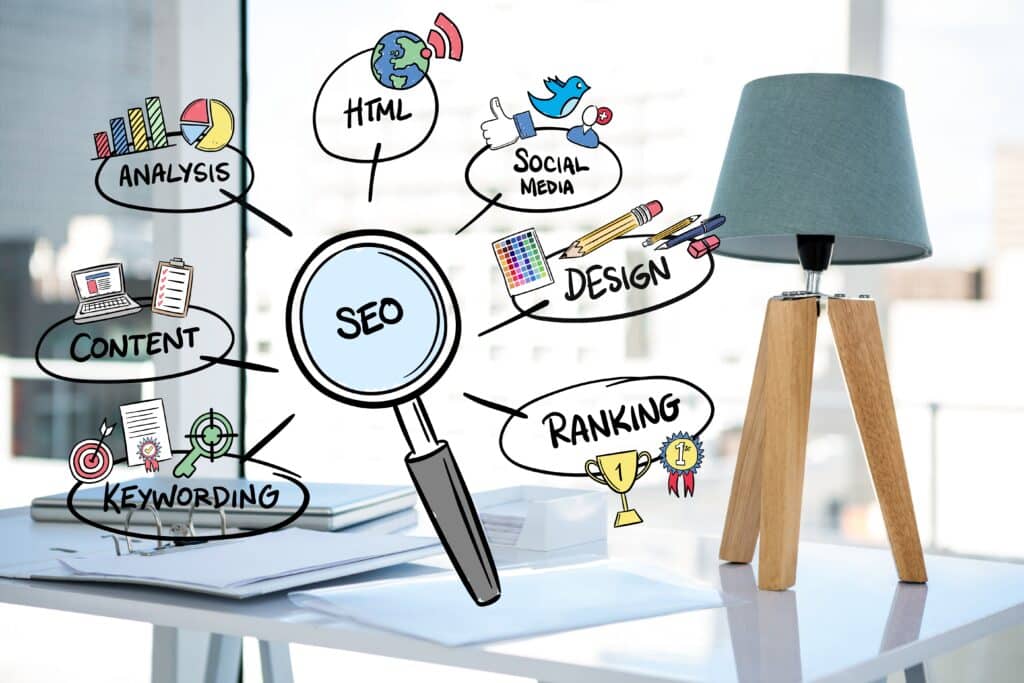
The hub-and-spoke model organizes content around comprehensive pillar pages (hubs) that link to detailed subtopic articles (spokes), creating clear hierarchical relationships that signal topical expertise to search algorithms. This architecture transforms scattered blog posts into interconnected knowledge systems that compound ranking power across multiple queries simultaneously.
Pillar pages require 3,000-5,000 words of comprehensive coverage to serve as authoritative central resources3. Your pillar addresses the broad topic at a high level while linking to every cluster page covering specific subtopics. Each spoke article then links back to the pillar using descriptive anchor text that includes target keywords.
Implementing Topic Clusters in WordPress:
| Element | Specifications | WordPress Implementation |
|---|---|---|
| Pillar Page | 3,000-5,000 words, broad topic coverage | Custom page template, category parent |
| Cluster Pages | 1,500-2,500 words, specific subtopics | Individual posts within category |
| Internal Links | Bidirectional between pillar and clusters | Manual contextual links, automated related posts |
| URL Structure | Hierarchical, keyword-rich permalinks | Settings → Permalinks → Post name |
| Taxonomy | Clear categorization and tagging | Categories for clusters, tags for cross-linking |
WP Enchant recommends creating topic clusters in WordPress using internal linking as your first strategic priority. The interconnected structure immediately improves crawlability while signaling content relationships to search engines more effectively than isolated posts ever could.
Internal linking serves as the connective tissue of your cluster architecture. Every cluster page must link back to the pillar using anchor text that reinforces the pillar’s target keyword while the pillar distributes authority to clusters through contextual links. This bidirectional link flow creates a self-reinforcing authority ecosystem that grows stronger with each additional piece of content.
Technical WordPress SEO Strategy Elements That Amplify Rankings
Core Web Vitals directly impact your WordPress site’s ranking potential, with top-performing sites maintaining an average Largest Contentful Paint (LCP) of 2.5 seconds or less while poor performance creates ranking barriers even for excellent content. Page experience signals, including Core Web Vitals metrics, function as ranking factors that Google confirmed as tiebreakers between pages with similar content quality4.
WordPress sites face unique performance challenges due to plugin bloat, unoptimized themes, and inefficient database queries. Addressing these technical foundations becomes non-negotiable for sites targeting competitive search landscapes where milliseconds separate top rankings from page-two obscurity.
Core Web Vitals Optimization for WordPress:
- Largest Contentful Paint (LCP): Optimize server response times through quality managed hosting, implement effective caching strategies, compress and serve images in next-gen formats (WebP, AVIF), and minimize render-blocking resources by deferring non-critical JavaScript
- Interaction to Next Paint (INP): Reduce JavaScript execution time by eliminating unnecessary scripts, optimize event handlers and third-party code, implement code splitting for large JavaScript bundles
- Cumulative Layout Shift (CLS): Define explicit dimensions for images and video embeds, reserve space for dynamic content and ads, avoid inserting content above existing content, use CSS aspect ratio boxes for responsive media
Websites in the top 10 search results consistently achieve LCP scores under 2.5 seconds, with 99.8% of sites using edge caching inclusive WordPress hosting scoring “good” on Core Web Vitals assessments5. Your hosting infrastructure represents the number one factor determining baseline performance scores before optimization efforts even begin.
Beyond speed metrics, technical WordPress SEO Strategy encompasses structured data implementation, XML sitemap optimization, robots.txt configuration, and mobile responsiveness verification. Each technical element compounds with content quality to create comprehensive page experience signals that algorithms evaluate holistically.
WP Enchant specializes in performance optimization that balances speed with functionality, recognizing that eliminating every plugin for marginal speed gains often sacrifices conversion optimization and user experience elements that drive business outcomes beyond search rankings alone.
Schema Markup Implementation for Enhanced WordPress Visibility
Structured data transforms how search engines interpret your WordPress content, with properly implemented schema markup increasing click-through rates by 20-30% through rich snippet displays that dominate search result real estate. Schema provides machine-readable context that helps algorithms understand content meaning, relationships, and intent beyond what text analysis alone reveals.
WordPress users can add schema without plugins through manual implementation in theme files, though validation and maintenance require technical knowledge most content managers lack. Schema plugins simplify implementation while introducing potential performance overhead that requires monitoring.
Priority Schema Types for WordPress Sites:
| Schema Type | Use Case | SEO Benefit |
|---|---|---|
| Article | Blog posts, news content | Featured snippet eligibility, publishing date display |
| FAQPage | FAQ sections, Q&A content | Expanded search result appearance, voice search optimization |
| HowTo | Tutorial content, guides | Step-by-step rich results, enhanced visibility |
| Product | WooCommerce items | Price, availability, review display in results |
| Organization | About pages, contact pages | Knowledge panel eligibility, brand entity recognition |
| BreadcrumbList | Site navigation | Search result breadcrumb display, hierarchy indication |
Rich results significantly boost click-through rates compared to standard blue-link results, particularly for mobile searchers who see reduced organic result counts on smaller screens. Enhanced visibility through schema-powered rich snippets effectively promotes your content above organic competitors even when ranked below them numerically.
Over 65% of searches in 2025 resulted in zero-click outcomes, especially for mobile and voice queries6. Structured data helps search engines understand and potentially feature your content in position-zero results, AI-generated summaries, and knowledge panels that answer queries without requiring clicks to source sites.
For WordPress sites pursuing topical authority, implementing FAQ schema on pillar pages creates multiple featured snippet opportunities while Article schema on cluster pages enhances categorization signals. BreadcrumbList schema reinforces your hub-and-spoke architecture by explicitly declaring content hierarchies to search algorithms.
Schema implementation requires balancing comprehensiveness with accuracy. Invalid or misleading structured data triggers manual actions and rich result removals, making validation through Google’s Rich Results Test mandatory before deployment. WP Enchant validates all schema implementations to ensure compliance with current specifications while maintaining compatibility with evolving search features.
Content Optimization Strategy for WordPress Topical Authority
Content depth separating authoritative resources from superficial coverage requires addressing user intent comprehensively while interconnecting related concepts through strategic internal linking and semantic keyword inclusion. Google’s Helpful Content system evaluates the depth and breadth of topic coverage collectively rather than individual page keyword optimization metrics.
Modern content optimization transcends keyword density calculations and meta tag manipulation. Algorithms analyze semantic relationships, content comprehensiveness, expertise signals, and user engagement patterns to determine which pages deserve top rankings for valuable commercial queries.
WordPress Content Optimization Framework:
- Intent Mapping: Identify search intent variations (informational, commercial, transactional) across your topic cluster and create dedicated content addressing each intent category
- Semantic Keyword Research: Discover related concepts, questions, and subtopics that comprehensive coverage must address through tools analyzing search engine autocomplete, related searches, and “People Also Ask” sections
- Content Depth Benchmarking: Analyze top-ranking competitors to establish minimum comprehensiveness standards while identifying coverage gaps your content can uniquely fill
- Multimedia Integration: Incorporate custom images, embedded videos, infographics, and interactive elements that increase engagement metrics and time-on-page signals
- Internal Link Distribution: Connect related content strategically using descriptive anchor text that reinforces topical relationships and distributes page authority across your cluster
WordPress’s block editor facilitates rich content creation through native multimedia blocks, reusable patterns, and design flexibility that transforms text-heavy articles into engaging visual experiences. Sites implementing comprehensive multimedia content consistently outperform text-only competitors for competitive queries.
Image SEO for WordPress automation and optimization deserves particular attention since images represent indexable content opportunities that many WordPress users neglect through poor file naming, missing alt attributes, and unoptimized file sizes. Every image becomes an additional ranking opportunity when optimized correctly.
Content quality indicators extend beyond word count and keyword presence to encompass author expertise credentials, content freshness through regular updates, citation quality through authoritative external links, and user engagement signals including bounce rate, time on page, and scroll depth. WP Enchant implements comprehensive content audits that identify improvement opportunities across these multifaceted quality dimensions.
Advanced Internal Linking Strategy for WordPress Sites
Strategic internal linking distributes page authority throughout your WordPress site while creating crawlable pathways that help search engines discover, index, and understand content relationships within your topical architecture. Effective internal linking transforms isolated pages into interconnected knowledge networks that compound topical authority signals with each additional content piece.
Internal linking serves dual purposes: guiding users to relevant content while directing search engine crawlers to important pages. The anchor text you select communicates topical relevance while link placement indicates content hierarchy and priority within your site structure.
Internal Linking Best Practices:
- Link from high-authority pages to newer content requiring ranking boosts
- Use descriptive, keyword-rich anchor text that accurately previews destination content
- Implement contextual links within content body rather than relying solely on sidebar widgets or footers
- Create hub pages that serve as link distribution centers connecting related subtopic content
- Maintain reasonable link density (approximately 2-3 internal links per 300 words) to avoid diluting authority
- Regularly audit for broken internal links that waste crawler budget and create poor user experiences
- Balance follow and nofollow attributes appropriately, keeping most internal links as dofollow
WordPress’s native linking interface, while functional, lacks sophisticated internal link management capabilities. Advanced users implement custom link tracking, automated link suggestion systems, and orphaned page detection to maintain optimal internal link structures as sites scale.
The topic cluster model systematizes internal linking through clear rules: every cluster page links to the pillar using consistent anchor text while pillars link to all clusters within their topic area. This creates predictable patterns that both users and algorithms can follow effortlessly.
WP Enchant analyzes internal link distribution patterns during site audits, frequently discovering that homepage links receive disproportionate attention while valuable service pages and in-depth content remain under-linked. Redistributing internal link equity typically produces immediate ranking improvements for previously under-promoted pages.
Featured Snippet Optimization for WordPress Content
Featured snippets occupy position zero above organic results, with WordPress sites optimized for featured snippets capturing premium visibility that drives traffic even when competitors technically rank higher numerically. Approximately 12-15% of search queries trigger featured snippet displays, representing high-value optimization opportunities with disproportionate traffic potential.
Featured snippets extract and display content directly in search results, requiring specific formatting that WordPress’s block editor facilitates through native heading structures, list blocks, and table blocks. Understanding snippet types and formatting requirements allows intentional optimization targeting.
Featured Snippet Types and Optimization Strategies:
| Snippet Type | Content Format | Optimization Approach |
|---|---|---|
| Paragraph | 40-60 word summary | Create concise definition paragraphs immediately after H2 headings |
| List | Numbered or bulleted lists | Use WordPress list blocks with clear, scannable items (optimal: 5-8 items) |
| Table | Data comparison tables | Implement responsive tables with clear headers and concise cell content |
| Video | YouTube video thumbnails | Embed relevant videos with strong titles, include text summary below |
Featured snippet optimization begins with identifying snippet opportunities through keyword research revealing questions, comparisons, and definitional queries within your topic area. Creating dedicated content sections that directly answer these queries in snippet-friendly formats increases capture likelihood significantly.
Question-based headings (H2 or H3) followed by concise answers work particularly effectively for paragraph snippets. WordPress allows structuring content hierarchically through semantic heading tags that both improve accessibility and enhance snippet eligibility through clear information architecture.
Table snippets offer particularly valuable opportunities for comparison content, pricing information, and specification displays. WordPress table blocks create HTML table markup that Google readily extracts, though responsive design considerations require careful implementation to maintain mobile usability.
WP Enchant implements structured FAQ sections on pillar pages targeting multiple related featured snippets simultaneously, creating “snippet clusters” that dominate search result pages for entire topic areas rather than individual queries.
Measuring and Iterating Your WordPress SEO Strategy

Data-driven optimization requires establishing baseline metrics, implementing comprehensive tracking, and conducting regular performance audits that identify improvement opportunities across technical, content, and authority dimensions. WordPress SEO Strategy success emerges through continuous iteration based on empirical evidence rather than one-time implementation of best practices.
Google Search Console provides foundational performance data including impression counts, click-through rates, average position, and indexing status across your WordPress site. Analyzing this data reveals which content performs above or below expectations while identifying technical issues preventing optimal crawling and indexing.
Key Performance Indicators for WordPress SEO:
- Organic Traffic Growth: Month-over-month and year-over-year traffic increases to target pages and overall domain
- Keyword Rankings: Position tracking for priority keywords, particularly pillar page targets and commercial query terms
- Featured Snippet Captures: Count of owned featured snippets and tracking of snippet loss/gain events
- Core Web Vitals Scores: LCP, INP, and CLS measurements from field data across device types
- Indexation Rate: Percentage of published pages successfully indexed versus total page count
- Internal Link Distribution: Link equity flow throughout site architecture, identifying under-linked valuable pages
- Topical Authority Scores: Ranking performance across keyword sets within topic clusters versus isolated keywords
WordPress analytics plugins integrate directly into your admin dashboard, though privacy-conscious site owners increasingly favor server-side analytics solutions that don’t require JavaScript tracking or cookie consent notices while providing more accurate user data.
Quarterly content audits identify pages requiring updates, consolidation, or expansion to maintain competitive topical coverage. Search algorithms favor fresh, regularly updated content over stale resources, making systematic content refresh schedules essential for maintaining established rankings over time.
WP Enchant provides comprehensive performance monitoring that tracks both quantitative metrics and qualitative improvements in topical authority signals, user engagement indicators, and conversion pathway optimization. Our maintenance services ensure WordPress sites remain technically sound while content strategies evolve with algorithm updates and competitive landscape shifts.
Conclusion
Advanced WordPress SEO Strategy for 2026 demands moving beyond isolated keyword optimization toward comprehensive topical authority establishment through interconnected content ecosystems. The hub-and-spoke architecture, technical performance optimization, strategic schema implementation, and data-driven iteration create compounding advantages that isolated tactical improvements never achieve.
WordPress’s inherent content management capabilities, flexible taxonomy systems, and extensive plugin ecosystem provide all necessary tools for implementing sophisticated SEO strategies previously accessible only to enterprise organizations with custom development resources. The platform’s market dominance ensures continued development support and community resources that keep WordPress sites competitive as search algorithms evolve.
Success requires treating WordPress SEO Strategy as an ongoing program rather than a one-time project, with continuous content expansion, technical monitoring, and strategic adjustment based on performance data. Sites implementing these principles consistently establish market-leading positions within their niches while building sustainable traffic sources resistant to algorithm volatility.
WP Enchant partners with businesses pursuing search dominance through comprehensive WordPress optimization that balances technical excellence with strategic content development and ongoing maintenance support ensuring long-term competitive advantages.
Frequently Asked Questions
1. What is the difference between traditional SEO and topical authority SEO for WordPress sites?
Traditional SEO focuses on optimizing individual pages for specific keywords through on-page factors like title tags, meta descriptions, and keyword density. Topical authority SEO instead emphasizes comprehensive topic coverage through interconnected content clusters where multiple pages collectively signal expertise across subject areas. WordPress sites benefit from topical authority approaches because the platform’s category system, internal linking capabilities, and content relationship tools naturally support hub-and-spoke architectures that algorithms increasingly reward. This strategic shift aligns with Google’s evolution toward understanding semantic relationships and content comprehensiveness rather than isolated keyword optimization signals. WP Enchant implements topical authority frameworks that transform WordPress sites from collections of isolated posts into authoritative knowledge resources.
2. How many cluster pages should support each pillar page in a WordPress topic cluster?
Optimal cluster size depends on topic breadth and competitive landscape, but most effective implementations include 8-12 cluster pages supporting each pillar. This quantity provides sufficient depth to demonstrate comprehensive topic coverage while remaining manageable for content creation teams and intuitive for user navigation. Each cluster page should address a distinct subtopic or question related to the broader pillar subject, with approximately 1,500-2,500 words per cluster ensuring adequate depth without redundancy. WordPress category structures naturally accommodate this architecture, with the pillar serving as the category parent page and clusters as individual posts within that category. Monitor search console data to identify gaps in topic coverage that additional cluster pages could address. WP Enchant’s content strategy consultations map topic clusters based on keyword research and competitive analysis specific to your industry.
3. Should WordPress sites prioritize speed optimization or content quality when resources are limited?
Both elements critically impact rankings, but content quality provides more sustainable competitive advantages than speed optimization alone. A technically flawless but content-poor site will consistently lose to comprehensive, authoritative resources with reasonable performance. However, severe speed issues (LCP above 4 seconds, mobile usability failures) create ranking ceilings that even excellent content cannot overcome. The optimal approach addresses foundational speed barriers first—quality managed hosting, basic caching implementation, image compression—then shifts focus to comprehensive content development. WordPress sites can achieve acceptable Core Web Vitals scores through hosting selection and plugin optimization before expensive custom development becomes necessary. Technical optimization shows diminishing returns after baseline performance thresholds while content quality improvements compound indefinitely through expanded topical authority. WP Enchant balances technical foundations with strategic content development appropriate to your current competitive position.
4. How frequently should WordPress sites update existing content versus creating new content?
Established WordPress sites pursuing topical authority should allocate approximately 30-40% of content resources toward updating existing high-value pages while dedicating 60-70% to new content expansion. Content updates signal freshness to algorithms while addressing evolving user needs and competitive movements within your topic area. Prioritize updating pages that rank positions 5-15 for valuable keywords, as these sit closest to breakthrough ranking improvements from strategic enhancement. High-traffic pages regardless of ranking also warrant regular updates to maintain positions against aggressive competitors. New content expansion remains essential for building comprehensive topic coverage and capturing long-tail traffic opportunities that collectively drive significant qualified visitor volume. WordPress’s revision system preserves content history allowing performance tracking of update impacts. WP Enchant implements systematic content refresh schedules based on page performance data and competitive monitoring.
5. What role do WordPress plugins play in implementing advanced SEO strategies?
WordPress plugins extend platform capabilities but introduce performance overhead and compatibility risks that require strategic evaluation. Essential SEO plugins typically include dedicated tools for schema markup implementation (if not manually coded), XML sitemap generation, title/meta optimization interfaces, and internal linking suggestions. However, excessive plugin installation commonly degrades site performance and creates maintenance burdens that offset SEO benefits. Advanced users increasingly implement custom code solutions for critical functions while minimizing plugin dependencies. The optimal approach installs only necessary plugins from reputable developers with consistent update schedules and compatibility maintenance. Regularly audit plugin performance impacts through monitoring tools and eliminate redundant functionality. WP Enchant evaluates plugin necessity during site audits and implements custom solutions for performance-critical functions that don’t warrant plugin overhead.
References
1: WPZOOM, “How Many Websites Use WordPress in June 2026?” Statistics report. https://www.wpzoom.com/blog/wordpress-statistics
2: Digital Applied, “SEO Content Clusters 2026: Topic Authority Guide,” 2026. Key finding: Content clusters increase organic traffic by 40% through topical authority. https://www.digitalapplied.com/blog/seo-content-clusters-2026-topic-authority-guide
3: Digital Applied, “SEO Content Clusters 2026: Topic Authority Guide,” 2026. Pillar page specifications: 3,000–5,000 words of comprehensive coverage. https://www.digitalapplied.com/blog/seo-content-clusters-2026-topic-authority-guide
4: Google Developers, “Understanding Core Web Vitals and Google search results,” 2025. Page experience signals function as ranking factors. https://developers.google.com/search/docs/appearance/core-web-vitals
5: HostingStep, “25+ Core Web Vitals Study and Statistics 2025,” 2025. Key finding: 99.8% of sites using edge caching inclusive WordPress hosting have good Core Web Vitals scores. https://hostingstep.com/core-web-vitals-stats
6: One Data Software, “From Zero-Click Searches to Featured Snippets: SEO in 2025,” 2025. Over 65% of searches result in zero-click outcomes. https://www.onedatasoftware.com/blog/from-zero-click-searches-to-featured-snippets-seo-in-2025